Source hollow wear resistant plastic toy tube for Furniture, Electronics, and Toys
Find and compare 23 listings for hollow wear resistant plastic toy tube made from PVC, PP, and other materials. Evaluate options for internal use, custom sizes, and extrusion profiles to meet your specific manufacturing needs.
Key considerations
Products List





Comprehensive Sourcing Guide
Hollow Wear Resistant Plastic Toy Tube Sourcing Guide
Sourcing hollow wear-resistant plastic tubes for toy manufacturing requires a careful balance of material science, regulatory compliance, and commercial negotiation. The term "hollow wear resistant plastic toy tube" describes a specific category of extruded profiles used in structural components, handles, or decorative elements of children’s products. Buyers must navigate a market where material definitions can be ambiguous, with suppliers often listing PVC, ABS, PP, or PC under generic headings. The primary challenge lies in verifying that the "wear resistance" and "hollow" characteristics meet the mechanical demands of toy usage while adhering to strict safety standards for children’s items.
This guide provides a structured approach to evaluating suppliers and products based on observed market signals and technical realities. It focuses on distinguishing between generic industrial tubing and products suitable for consumer toys, which require higher levels of surface finish, color consistency, and non-toxic material verification. By understanding the specific attributes of extruded profiles, such as hardness, customization options, and origin, procurement teams can mitigate risks associated with material failure, regulatory non-compliance, and supply chain disruptions.
Product Scope and Observed Listing Signals
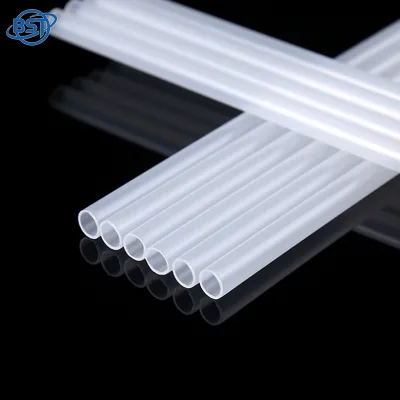
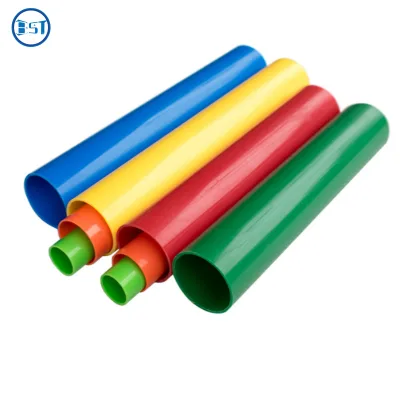
The current market landscape for hollow plastic tubes reveals a diverse range of materials and applications, primarily centered in manufacturing hubs like Guangdong, China. Observed listings indicate that suppliers frequently offer tubes made from PVC, ABS, PP, and PC, often marketed under generic names like "ABS Pipe" or "PVC Extrusion Profile." These products are characterized by their round shape and hollow cross-section, produced through extrusion processes that allow for high-volume manufacturing. The presence of terms like "High Temp Resistance" and "Eco-Friendly" suggests that some manufacturers are positioning their products for applications requiring durability and environmental considerations, though these claims require independent verification.
Buyers should note that while many listings advertise customization, the actual product specifications vary significantly. For instance, some products are explicitly labeled for "Internal" usage or as "Plastic Accessories" for toys, while others are described as general-purpose thermoplastic pipes. The observed price range is broad, spanning from low-cost items to specialized profiles, reflecting differences in material quality, wall thickness, and certification levels. It is crucial to distinguish between products intended for industrial use and those certified for consumer goods, as the latter must meet rigorous safety standards that are not always apparent in standard product descriptions.
Technical Specifications to Verify
When evaluating technical specifications, the first priority is confirming the exact material composition. Suppliers may list multiple materials such as PVC, PP, PC, and PE, but the specific grade and formulation determine the tube’s suitability for toys. Buyers must verify that the material is free from harmful additives like phthalates or heavy metals, especially for PVC-based products. The hardness of the tube, often described as "Hard Tube," should be assessed against the mechanical requirements of the toy design. A tube that is too brittle may crack under stress, while one that is too soft may deform, affecting the toy’s structural integrity and user experience.
Wall thickness and dimensional accuracy are critical factors that influence both the durability and the aesthetic quality of the final product. Observed specifications indicate thickness options ranging from 0.7mm to 7mm, with some suppliers offering customized lengths and sizes. Buyers should request detailed technical drawings and tolerance levels to ensure that the tubes fit correctly into assembly processes. Additionally, surface finishing plays a significant role in toy safety and appeal; while some listings mention "Unfinished" surfaces, toy components typically require smooth, burr-free edges to prevent injury. Color consistency is also vital, as variations can lead to quality control issues in mass production.
Compliance and Safety Documentation
Compliance with international safety standards is non-negotiable for toy components. Buyers must ensure that suppliers can provide documentation proving adherence to relevant regulations, such as ASTM F963 in the United States or EN71 in Europe. These standards cover mechanical and physical properties, flammability, and chemical migration limits. While some suppliers may claim ISO 9001 or IATF 16949 certification, these quality management systems do not automatically guarantee product safety for children’s items. Buyers should request specific test reports from accredited laboratories for each batch or material lot to verify compliance with current safety requirements.
Chemical safety is particularly important for plastic toys, as children may mouth or chew on components. Buyers should verify that the materials used are food-grade or specifically formulated for toy applications, ensuring they are free from toxic substances. The "Eco-Friendly" claims made by some suppliers should be backed by third-party certifications or material safety data sheets (MSDS) that detail the chemical composition. Additionally, buyers should inquire about the supplier’s process for managing material changes, as any alteration in the resin source or additive package can impact compliance status. Establishing a clear protocol for receiving and verifying safety documentation is essential to maintaining regulatory compliance throughout the supply chain.
Cost Drivers and Commercial Terms
Several factors influence the cost of hollow plastic tubes, including material type, wall thickness, color, and order volume. PVC and ABS are generally more cost-effective than PC or specialized engineering plastics, but they may require additional processing to meet safety standards. Customization, such as specific colors or dimensions, can increase production costs due to setup times and material waste. Buyers should negotiate pricing based on clear specifications to avoid hidden costs associated with rework or material adjustments. Understanding the MOQ (Minimum Order Quantity) is also crucial, as lower volumes may incur higher per-unit costs due to production inefficiencies.
Commercial terms, including payment methods, lead times, and shipping arrangements, significantly impact the total cost of ownership. Suppliers often offer free samples, which can be valuable for testing material quality and compliance before committing to large orders. However, buyers should clarify whether sample costs are refundable upon placing a bulk order. Packaging is another consideration; products are typically packed in cartons, but the level of protection and labeling requirements can affect shipping costs and handling efficiency. Buyers should establish clear agreements on packaging standards to prevent damage during transit and ensure that products arrive in condition suitable for immediate assembly.
Supplier Qualification and Quality Control
Supplier qualification involves a thorough assessment of manufacturing capabilities, quality control processes, and ethical standards. Buyers should verify the supplier’s production capacity and lead times to ensure they can meet demand fluctuations. Facilities located in established manufacturing regions like Guangdong often have access to a robust supply chain, but buyers should still conduct on-site audits or third-party inspections to verify operational standards. Checking for certifications such as ISO 9001 can provide insight into the supplier’s commitment to quality management, but it should not replace direct evaluation of their production practices.
Quality control measures must be integrated into the procurement process to minimize defects and ensure consistency. Buyers should request detailed quality control plans that outline inspection points, sampling methods, and acceptance criteria. Regular audits of incoming materials and finished products can help identify issues early in the production cycle. Additionally, establishing a clear communication channel for reporting and resolving quality issues is essential for maintaining a productive supplier relationship. Buyers should also consider the supplier’s ability to handle OEM/ODM requests, as this flexibility can be valuable for customizing products to specific design requirements.
Long-Term Procurement Checks
Long-term procurement success depends on continuous monitoring of supplier performance and market trends. Buyers should establish key performance indicators (KPIs) to track metrics such as on-time delivery, defect rates, and responsiveness to issues. Regular reviews of these metrics can help identify potential problems before they escalate and ensure that suppliers remain aligned with business objectives. Additionally, staying informed about changes in safety regulations and material technologies is crucial for maintaining compliance and product competitiveness. Buyers should engage in ongoing dialogue with suppliers to discuss potential improvements in material efficiency, cost reduction, and sustainability.
Building a resilient supply chain involves diversifying suppliers and maintaining strategic inventory levels to mitigate risks associated with disruptions. Buyers should develop contingency plans for scenarios such as raw material shortages or geopolitical issues that may impact production. Regularly updating technical specifications and compliance requirements ensures that products remain relevant and safe in a dynamic market. By fostering strong relationships with qualified suppliers and implementing robust quality control processes, buyers can secure a reliable supply of high-quality hollow plastic tubes for their toy manufacturing needs.
FAQs
Can I customize the size and length of hollow plastic tubes?
Yes, customization is available for size and length. The product specifications indicate that sizes are customer customized and lengths can be adjusted to meet specific requirements. This allows buyers to obtain tubes that fit their exact application needs without being limited to standard dimensions.
What materials are used for these plastic tubes?
The tubes are manufactured from various thermoplastic materials including PVC, PP, PC, PE, and ABS. These materials offer different properties such as high temperature resistance and durability. Buyers can select the specific material type based on their intended usage and environmental conditions for the final product.
What is the minimum order quantity for these tubes?
The minimum order quantity varies by product model, with some items requiring 3000 meters. Other models may have different MOQs ranging from 1 to 10000 units. Buyers should check the specific model details to determine the exact MOQ required for their order volume.
Are these tubes suitable for toy accessories?
Yes, these plastic tubes are suitable for toy accessories. The product attributes explicitly list usage for toy accessories and mention suitability for children. The hollow round shape and various color options make them appropriate components for manufacturing children's toys and related plastic accessories.
What certifications do the manufacturers hold?
The manufacturers hold ISO 9001 and IATF 16949 certifications. These certifications indicate adherence to quality management standards in production. Buyers can rely on these credentials to ensure that the manufacturing processes meet international quality requirements for plastic extrusion profiles and tubes.
How are the plastic tubes packaged for shipping?
The tubes are packaged in cartons for shipping. Some items are packed with each piece wrapped in film before being placed in the carton. This packaging method helps protect the products during transit and ensures they arrive in good condition for further processing or assembly.